
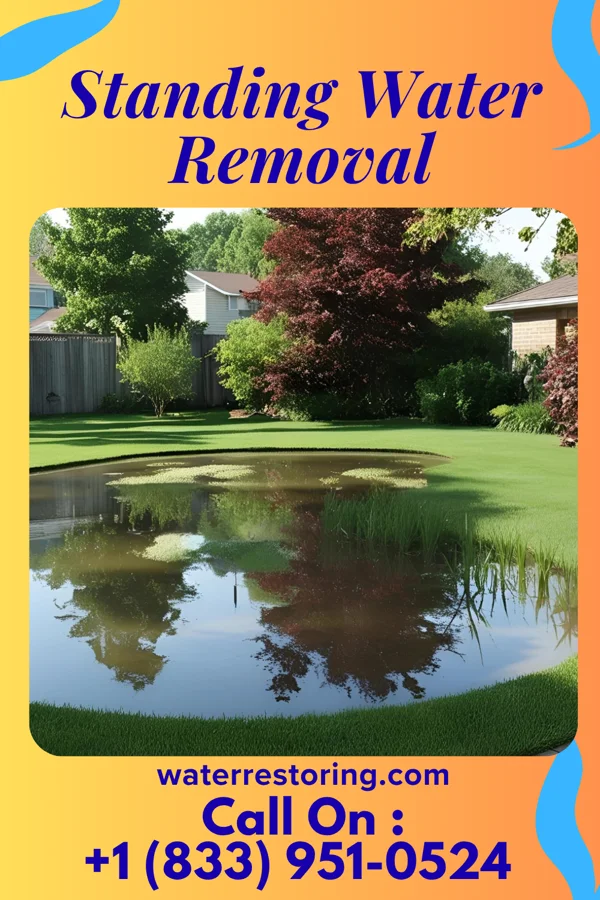
What Makes Terril Standing-Water-Prone
Living in Terril means dealing with In Terril, Iowa, the primary water damage cause is often due to sudden plumbing failures, such as burst pipes or leaking water heaters, especially in older homes with aging infrastructure. Additionally, heavy rainfall during spring and early summer can lead to basement flooding, particularly in rural areas with poor drainage systems. sooner or later. A close second is Secondary causes include groundwater seepage through cracks in foundations, backed-up sewer lines during heavy storms, and water intrusion from nearby bodies of water like the Des Moines River. These issues are more common in the rural setting of Terril, where homes are often built on elevated ground.. The good news: water damage is fully recoverable when you catch it fast and bring in certified technicians.
Terril experiences a continental climate with cold winters and warm summers, leading to potential freeze-thaw cycles that can damage foundations. The area also sees significant rainfall in the spring, increasing the risk of water accumulation and subsequent damage to properties.
Most standing water removal calls in Terril come from In Terril, Iowa, the primary water damage cause is often due to sudden plumbing failures, such as burst pipes or leaking water heaters, especially in older homes with aging infrastructure. Additionally, heavy rainfall during spring and early summer can lead to basement flooding, particularly in rural areas with poor drainage systems.. Running a close second is Secondary causes include groundwater seepage through cracks in foundations, backed-up sewer lines during heavy storms, and water intrusion from nearby bodies of water like the Des Moines River. These issues are more common in the rural setting of Terril, where homes are often built on elevated ground.. Local mold risk: Mold growth can quickly become a concern in Terril due to the high humidity levels during spring and summer. Prompt water damage restoration is crucial to prevent mold from taking hold in homes and commercial buildings, especially in the rural areas where ventilation is limited.